

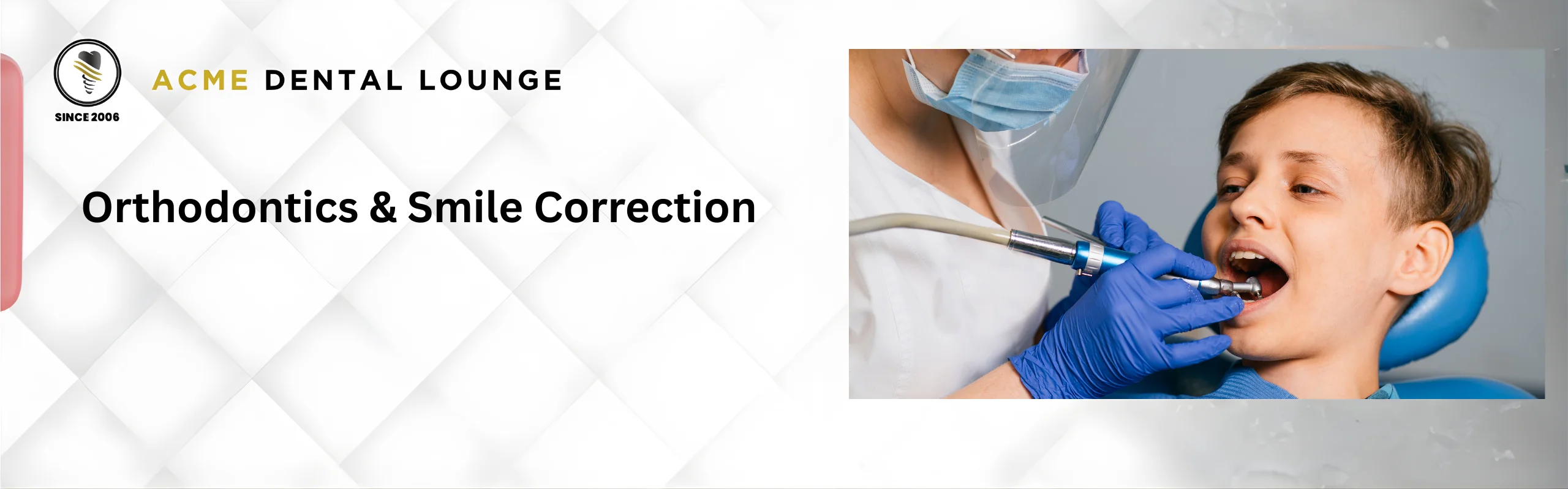
Orthodontics & Smile Correction
A confident smile not only improves your appearance — it also reflects good oral health, optimal function, and self-assurance. Orthodontic therapy in 2026 will be more discreet, comfortable, and customised than ever before, thanks to advancements in technology.”
If you’re looking into treatment options for yourself or your child, this guide covers everything from transparent aligners like Invisalign to early childhood orthodontics and the long-term benefits of retainers.
Invisible Braces vs. Traditional Braces: Pros and Cons
The popularity of clear aligner therapy, like Invisalign, is one of the biggest developments in orthodontics.
Teenagers and adults now approach teeth straightening differently because to these nearly unnoticeable trays.
Pros of Invisible Braces
- Nearly Invisible
Most folks won’t notice you’re wearing clear aligners. - Removable
Unlike traditional braces, you can remove aligners while eating, brushing, and flossing. No food restrictions. - Comfortable
Smooth plastic trays mean no metal brackets or wires causing irritation. - Fewer Clinic Visits
In 2026, many orthodontics will use digital monitoring apps and AI-assisted treatment tracking, reducing in-office visits. - Better Oral Hygiene
Since aligners are removable, maintaining gum health is easier compared to fixed braces.
Cons of Invisible Braces
- Discipline Required
You must wear them 20–22 hours daily. Skipping wear time can delay results. - Not Ideal for All Cases
Severe bite abnormalities or intricate tooth movements may still necessitate traditional braces. - Can Be Misplaced
Aligners are susceptible to loss or damage due to their detachable nature. - Cost
They may be comparable to or slightly more expensive than traditional braces depending on case complexity.
Bottom Line:
Invisible braces are a fantastic option for mild to moderate corrections — but commitment is key.
Traditional Metal Braces
These are brackets bonded to teeth and connected by arch wires that apply constant pressure.
Pros of Traditional Braces
- Highly Effective for Complex Cases
- Ideal for severe crowding, bite issues, and jaw corrections.
- No Compliance Issues
- Since they’re fixed, they work 24/7.
- Predictable Result Long-standing, proven treatment method.
- Often More Affordable
In many cases, traditional braces may cost slightly less.
Cons of Traditional Braces
- Visible Appearance
- Metal brackets are visible (but ceramic brackets are more discreet).
- Food Restrictions
- Sticky and hard foods must be avoided.
- Oral Hygiene Challenges
- Cleaning around brackets requires extra care.
- Possible Discomfort
- Adjustments can cause temporary soreness.
Which Is Better?
There’s no universal answer. The right choice depends on:
- Age
- Complexity of the case
- Lifestyle
- Budget
- Personal preference
A consultation with an orthodontist will determine the best treatment plan tailored to your needs.
Early Orthodontic Treatments for Kids: What Parents Should Know
Many parents assume braces start in the teenage years — but early evaluation is crucial.
It is recommended that children have their first orthodontic check-up by age 7.
Why so early?
What Is Phase 1 Treatment (Early)
Early orthodontic treatment – also called interceptive orthodontics. Early orthodontics isn’t always about full braces. It may include:
- Growth-modifying appliances
- Space maintainers
- Palatal expanders
- Habit-breaking devices (thumb sucking correction)
Benefits of Early Intervention
- Guides Jaw Growth
Corrects skeletal issues before they become severe. - Prevents Crowding
Creates space for erupting permanent teeth. - Reduces Risk of Trauma
Protruding front teeth are more prone to injury. - May Shorten Future Treatment
Sometimes early intervention simplifies or reduces the need for complex treatment later.
Does Every Child Need Early Treatment?
No. Some children only require monitoring until adolescence. That’s why early assessment matters — it helps orthodontists determine timing.
Important note for parents
- Early or delayed loss of baby teeth
- Difficulty chewing
- Mouth breathing
- Thumb sucking beyond age 5
- Jaw shifting or clicking
- Speech difficulties
Early guidance leads to healthier, more stable outcomes.
How Retainers Keep Your Smile Perfect in 2026
Braces straighten teeth — retainers keep them straight.
After orthodontic treatment, teeth begin to shift back. This is called orthodontic relapse.
Why Teeth shift After Braces
- Periodontal Ligaments around teeth need time to stabilize
- Jaw growth continues (even in adults)
- Natural aging changes
- Grinding or bite forces
Even perfectly aligned teeth might shift within months without use of retainers.
Types of Retainers
Removable Retainers
Clear trays or acrylic devices worn at night.
Fixed (Bonded) Retainers
Thin wires bonded behind front teeth for long-term stability.
How Long Should You Wear a Retainer?
The modern orthodontic recommendation:
Nighttime retainer wear for life.
Conclusion -: A Smile That Lasts
Orthodontics in 2026 is more advanced, efficient, and patient-friendly than ever before. Whatever you choose transparent aligners, traditional braces, early intervention for your child, and long-term retainer wear — the goal remains the same:
- Healthy bite
- Balanced facial aesthetics
- Long-lasting alignment
- Boosted confidence
It may last for a lifetime if maintained properly. For any query please feel free to call on 9923459984, or visit Acme Dental lounge, Aundh,Pune.