

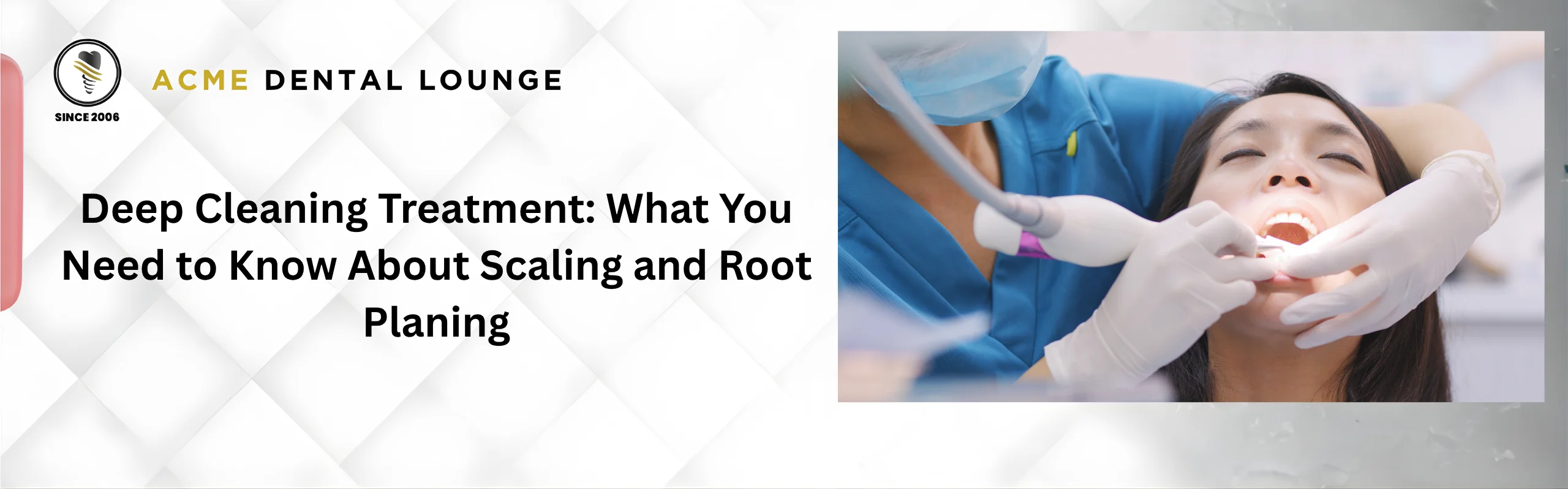
Deep Cleaning Treatment: What You Need to Know About Scaling and Root Planing
Let’s be real—healthy gums matter a lot. They keep your teeth strong and your smile confident. But here’s the thing: most people don’t pay attention to the early signs of gum disease. Bleeding gums, bad breath, swollen gums—they usually get ignored until things get serious. When bacteria and plaque sneak below the gum line, regular cleanings just won’t cut it anymore. That’s when your dentist suggests a deep cleaning, or, as they call it in the dental world, scaling and root planing.
Bottom line, this treatment fights gum infection, stops periodontal disease from getting worse, and helps you keep your teeth.
Let’s break down what deep cleaning really involves, when you need it, and why it’s key for lasting oral health.
What is Deep Cleaning?
Deep cleaning isn’t your routine polish and floss. It’s a non-surgical procedure that targets gum disease by going after the plaque and bacteria hiding out below your gum line. There are two main steps:
Scaling: The dentist removes tough tartar, sticky plaque, and bacteria from your teeth—including the spots under your gums.
Root Planing: After scaling, they smooth out the roots. This helps your gums heal and reattach while making it harder for more bacteria to stick around.
Together, these two steps tackle the infection and give your gums a chance to recover.
Why Do Gums Get Infected?
Gum infections start when plaque builds up around your teeth. Skip brushing and flossing, and that soft, filmy layer hardens into tartar. Then your gums get irritated, inflamed, and eventually infected.
Here are some common reasons gums get sick:
– Not brushing or flossing enough
– Smoking or chewing tobacco
– Diabetes
– Hormonal changes
– Dry mouth
– Poor diet
– Skipping dental visits
If you let gum disease go untreated, it eats away at the tissues and bone that hold your teeth in place.
Signs You Need a Deep Cleaning
A lot of people don’t even realize their gums are in trouble until it’s advanced. Look out for:
– Bleeding when you brush
– Puffy, red gums
– Bad breath that sticks around
– Receding gums
– Loose teeth
– Pain while chewing
– Tooth sensitivity
– Pus near your teeth and gums
Feel any of these? It’s not something to brush off. Early treatment can save your teeth.
How Gum Disease Leads to Tooth Loss
Healthy gums and jawbone hold teeth firmly in place. When periodontal disease progresses, bacteria destroy the supporting tissues around the teeth.
Untreated Gum Infection Can Cause: If you ignore it, you’ll end up facing:
– Bone loss
– Receding gums
– Loose teeth
– Teeth that shift out of place
– Teeth falling out
Deep cleaning stops this destruction before you get to the point of losing teeth.
What Happens During Scaling and Root Planing?
Don’t worry, the process is pretty straightforward and dentists keep it as pain-free as possible.
Step 1: They check out your gums and measure the pockets with special tools. They might take digital X-rays.
Step 2: You’ll get numbed up with local anesthesia so you stay comfortable.
Step 3: The dentist uses ultrasonic tools or hand instruments to remove plaque and tartar above and below your gum line—that’s the scaling part.
Step 4: Then, they smooth the tooth roots (root planing) to help your gums heal and keep bacteria from coming back.
Step 5: After, you get instructions for aftercare. This usually includes antibacterial mouthwash, better brushing/flossing routines, and regular checkups.
What Are the Benefits?
Deep cleaning does a lot more than you might think:
– Stops gum disease from getting worse
– Protects the bone and tissues around your teeth
– Cuts down gum bleeding and swelling
– Gets rid of bad breath
– Helps your gums heal and reattach to your teeth
Is Deep Cleaning Painful?
Most people feel fine during the procedure because of the numbing. You might have sore or sensitive gums right after, but that usually goes away in a few days. Newer techniques make the process a whole lot more comfortable than it used to be.
Caring for Your Gums After Deep Cleaning
Want the best results? Take care of your mouth:
– Brush gently twice a day
– Floss regularly
– Use antibacterial mouthwash
– Lay off the cigarettes
– Stick to softer foods at first if your gums are sore
– Don’t skip your follow-up appointments
Keep up good habits to make sure gum disease doesn’t sneak back.
How to Prevent Gum Disease in the First Place
Honestly, prevention makes everything easier. Here’s what helps:
– See your dentist regularly for cleanings
– Brush with fluoride toothpaste
– Clean between your teeth every day
– Eat less sugar
– Stay hydrated
– Don’t use tobacco
Routine checkups catch early problems before they turn into big ones.
Conclusion-
Gum disease is one of the leading causes of tooth loss in adults, but early treatment can make a huge difference. Deep cleaning treatment, including scaling and root planing, helps remove harmful bacteria, restore gum health, and protect your teeth from long-term damage.
If you notice bleeding gums, bad breath, or teeth that feel loose, don’t ignore it. Talk to your dentist as soon as you can. A little attention now can save you bigger problems down the road.
Looking for expert dental cleaning l treatment in Pune? Contact Acme Dental Lounge today and schedule a consultation with our experienced dental team. Your healthy smile starts with timely care & Call us -9923459984