

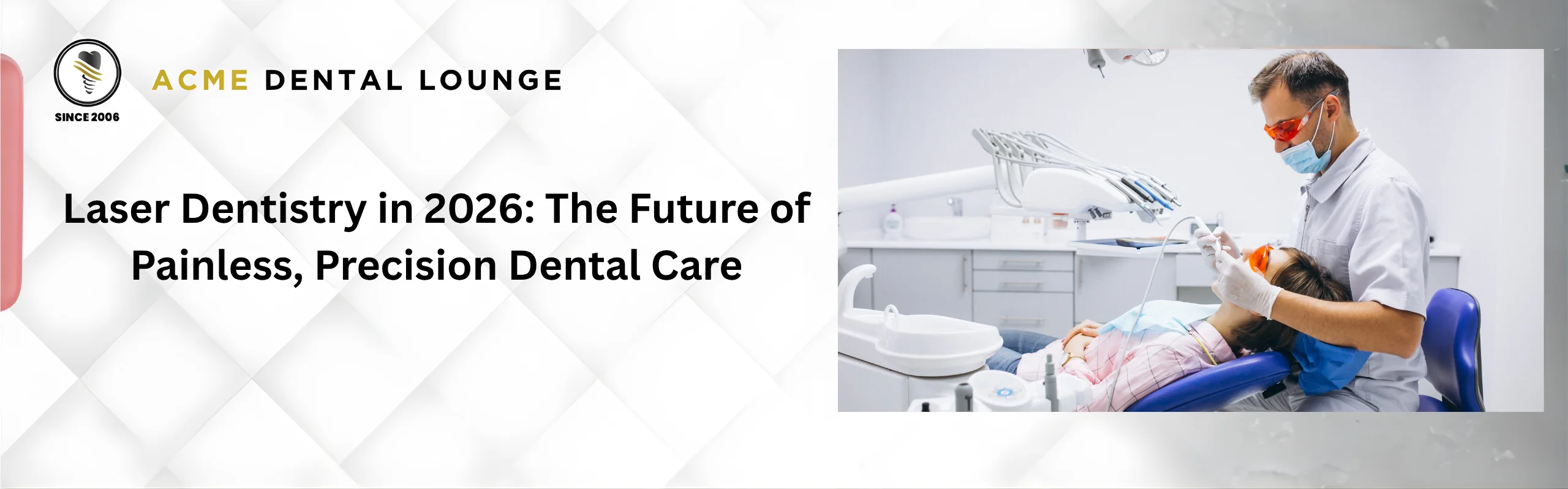
Laser Dentistry in 2026: The Future of Painless, Precision Dental Care
Dentistry has entered a new era. In 2026, laser technology is transforming the way oral health treatments are performed—making procedures faster, more precise, and significantly more comfortable. From treating cavities to reshaping gums and enhancing smiles, laser dentistry is redefining patient experience with minimally invasive solutions.
What is laser dentistry?
Laser dentistry uses highly focused light beams to perform a variety of dental procedures. These lasers can remove or reshape soft and hard tissues with extreme precision, reducing the need for traditional tools like drills and scalpels. The result? Less discomfort, reduced bleeding, and quicker healing times.
Why Laser Dentistry is Trending in 2026
Modern patients are prioritising comfort, speed, and advanced care—and laser dentistry ticks all the boxes. Here’s why it’s gaining momentum:
- Painless or Minimal Discomfort: Many procedures can be performed with little to no anaesthesia.
- Minimally Invasive: Targets only affected areas, preserving healthy tissue.
- Faster Recovery: Reduced trauma means quicker healing and fewer follow-ups.
- Reduced Anxiety: No drilling sounds or invasive instruments.
- High Precision: Ideal for delicate procedures like gum contouring and decay removal.
Applications of Laser Dentistry
1. Gum Treatments (Periodontal Care)
Laser technology is revolutionising gum disease treatment. It can remove infected tissue, eliminate bacteria, and stimulate regeneration—all without cutting or stitching. Patients experience minimal bleeding and faster recovery compared to traditional surgery.
2. Cavity Detection and Treatment
Lasers can precisely remove cavities and identify early indicators of tooth decay. Lasers lessen the chance of microfractures and preserve more of the natural tooth structure than drills.
3. Smile Corrections and Cosmetic Dentistry
From gum reshaping to teeth whitening, lasers are widely used in aesthetic procedures. They allow dentists to sculpt gum lines, remove excess tissue, and enhance smiles with minimal downtime.
4. Teeth Whitening
Laser-assisted whitening accelerates the bleaching process, delivering brighter results in a single session. It’s safe, effective, and ideal for patients looking for instant improvements.
5. Treatment of Tooth Sensitivity
Lasers can seal exposed dentinal tubules, reducing sensitivity to hot and cold foods almost instantly.
Technology Behind the Precision
Laser dentistry in 2026 integrates advanced imaging, AI-assisted diagnostics, and real-time feedback systems. These innovations enable dentists to precisely map treatment areas and adjust laser intensity for optimal outcomes. The combination of digital precision and laser efficiency ensures safer and more predictable results.
Is Laser Dentistry Right for You?
Laser dentistry is suitable for a wide range of patients, especially those who:
- Fear traditional dental procedures
- Prefer minimally invasive treatments
- Have gum disease or require cosmetic enhancements
- Want faster recovery and fewer dental visits
However, not all procedures can be performed with lasers alone. A consultation with a qualified dentist is essential to determine the most suitable approach for your specific needs.
Conclusion –
As dental technology continues to evolve, laser dentistry stands at the forefront of patient-centred care. It’s not just about treating dental issues—it’s about transforming the entire experience into something stress-free, efficient, and even enjoyable.
In 2026, a visit to the dentist no longer has to be something you dread. With laser dentistry, the future of oral care is here—and it’s virtually painless. For more queries, please visit Acme Dental Lounge.