

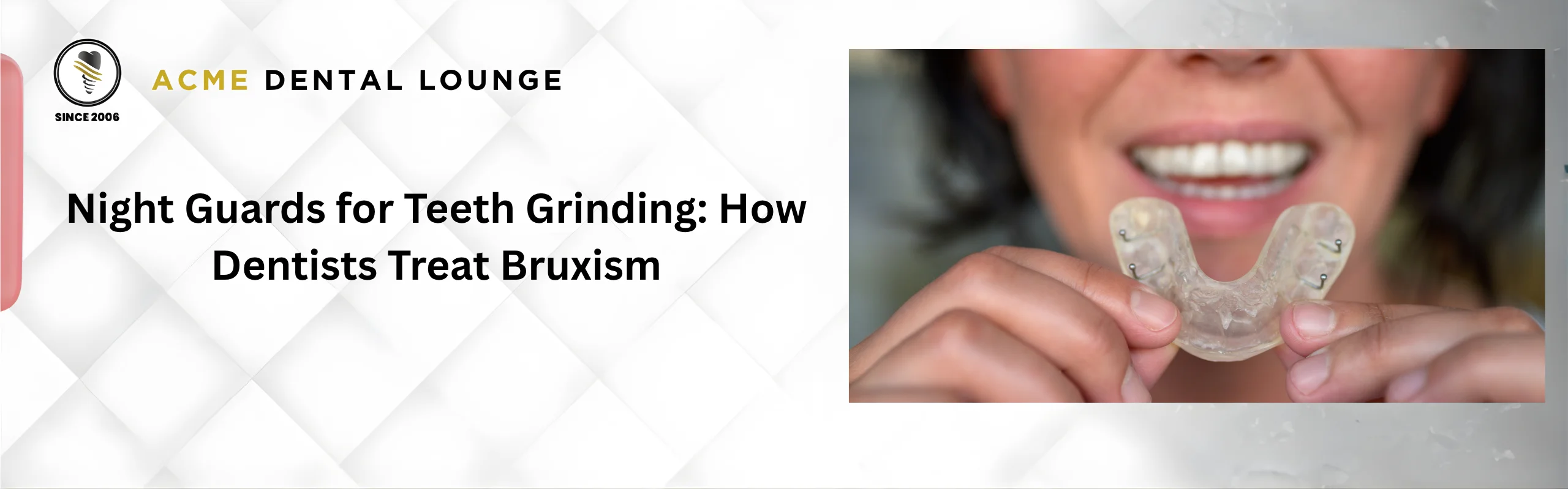
Night Guards for Teeth Grinding: How Dentists Treat Bruxism
Do you wake up with jaw pain, headaches, or sensitive teeth? You might have bruxism — that’s just the technical name for grinding or clenching your teeth, usually while you’re asleep. The trouble is, most people don’t even realize they’re doing it until the symptoms start piling up and their dentist points it out.
If bruxism goes unchecked, it can really mess with your teeth and jaw. We’re talking worn enamel, cracked teeth, aching jaws, and even long-term facial pain. The good news? Dentists have some solid solutions. Think of custom night guards, adjusting your bite, or even working with you on stress management to protect your teeth and help you feel better.
Let’s break down what causes teeth grinding, what trouble signs to watch out for, and how dentists handle bruxism in 2026.
What Is Bruxism?
Bruxism means you’re grinding, clenching, or gnashing your teeth. You probably do it in your sleep, but some folks catch themselves clenching their jaws while awake, especially when they’re stressed or focused.
There are two main kinds:
– Sleep bruxism — grinding while you’re asleep.
– Awake bruxism — clenching or grinding during the day.
Most people have no clue they’re grinding their teeth until things get bad or their dentist spots the damage.
Why Do People Grind Their Teeth?
Lots of things can set off bruxism:
Stress and Anxiety
Stress tops the list. If you’re anxious or tense, you’re more likely to clench your jaw without knowing it.
Sleep Disorders
If you have sleep apnea or other sleep problems, you’re more likely to grind your teeth at night.
Bite or Jaw Issues
Your teeth or bite might not line up right, which can put extra strain on your jaw.
Habits and Lifestyle
Drinking too much caffeine, smoking, drinking alcohol, or certain meds can all up your risk.
Medical or Neurological Conditions
Sometimes, nerve-related conditions or medication side effects are part of the problem.
How Do You Know If You’re Grinding?
Bruxism doesn’t shout — it sneaks up on you. Here’s what to look out for:
– Jaw pain or tightness
– Headaches when you wake up
– Sore face muscles
– Sensitive teeth
– Teeth that look worn down
– Chipped or cracked teeth
– Popping or clicking jaws
– Ear pain, but no ear infection
– Trouble opening your mouth wide
– Restless sleep
If this sounds like you, it’s time for a checkup.
What’s the Damage?
Grinding puts a lot of force on your teeth and jaw. Here’s what can happen:
Worn Enamel
Your teeth lose their protective coating, so they get sensitive.
Cracks and Breaks
Constant grinding makes teeth more likely to chip, crack, or break.
Receding Gums
Bruxism doesn’t just hurt your teeth—it can push your gums back too.
TMJ Problems
Grinding stresses your jaw joint (the TMJ), leading to pain, popping sounds, or jaw trouble.
Tooth Loss
If things get really bad and you don’t treat it, teeth can be damaged so much they need to be pulled.
How Do Dentists Figure It Out?
Dentists usually spot bruxism during your regular exam. They look for:
– How your teeth are worn down
– Sore spots in your jaw muscles
– Issues with how your teeth fit together
– Enamel damage
– Your sleep habits and stress levels
If your dentist thinks sleep issues are involved, they might send you for a sleep study.
Night Guards: Your Best Protection
A night guard is a custom-made device you wear over your teeth while you sleep. It acts like a cushion, soaking up the force so your teeth don’t take the hit. Unlike those generic drugstore mouthguards, custom night guards are shaped just for your mouth, so they feel much better and do a better job.
Why Night Guards Make a Difference
– They put a barrier between your teeth to stop grinding damage.
– Reduces Jaw Pain, they help relax jaw muscles and reduce pressure on the TMJ joint.
– They lower your risk of chips, cracks, and worn down teeth.
– They’re comfortable enough to sleep with.
– They help you avoid bigger dental bills for crowns or root canals.
Other Ways to Treat Bruxism
Night guards work well, but there are other things your dentist might suggest, depending on your case:
Stress Relief
Relaxation exercises, meditation, or counseling—reducing stress can help cut down grinding
Bite Adjustment
Correcting uneven bite alignment may reduce grinding pressure
Braces or Aligners
Straightening your teeth can sometimes take the strain off your jaw.
Botox
In really tough cases, Botox can relax overactive jaw muscles.
Treating Sleep Apnea
If sleep issues are causing problems, treating those can reduce grinding at night.
What Can You Do At Home?
Here’s how you can make things better on your own:
– Skip caffeine before bed
– Try stress-busters: breathing exercises, relaxing before bed
– Don’t chew on pens, ice, or hard candy
– Get plenty of good-quality sleep
– Stretch your jaw muscles
When Should You Call the Dentist?
Don’t wait until it gets worse—make an appointment if you notice:
– Jaw pain that keeps coming back
– Morning headaches
– Sensitive teeth
– Your teeth seem to be getting shorter or flatter
– Cracks or chips
– Trouble chewing
Catching bruxism early gives you a better shot at keeping your teeth—and your comfort.
Conclusion –
Teeth grinding can seem minor at first, but ignoring it will catch up with you. Luckily, dentists are ready with night guards and other treatments to protect your teeth and jaw. Think you’re grinding at night? Say something at your next dental visit. Getting help early keeps your smile healthy and makes life a whole lot more comfortable.
Looking for expert dental treatment in Pune? Contact Acme Dental Lounge today and schedule a consultation with our experienced dental team. Your healthy smile starts with timely care. Call us – 9923459984