

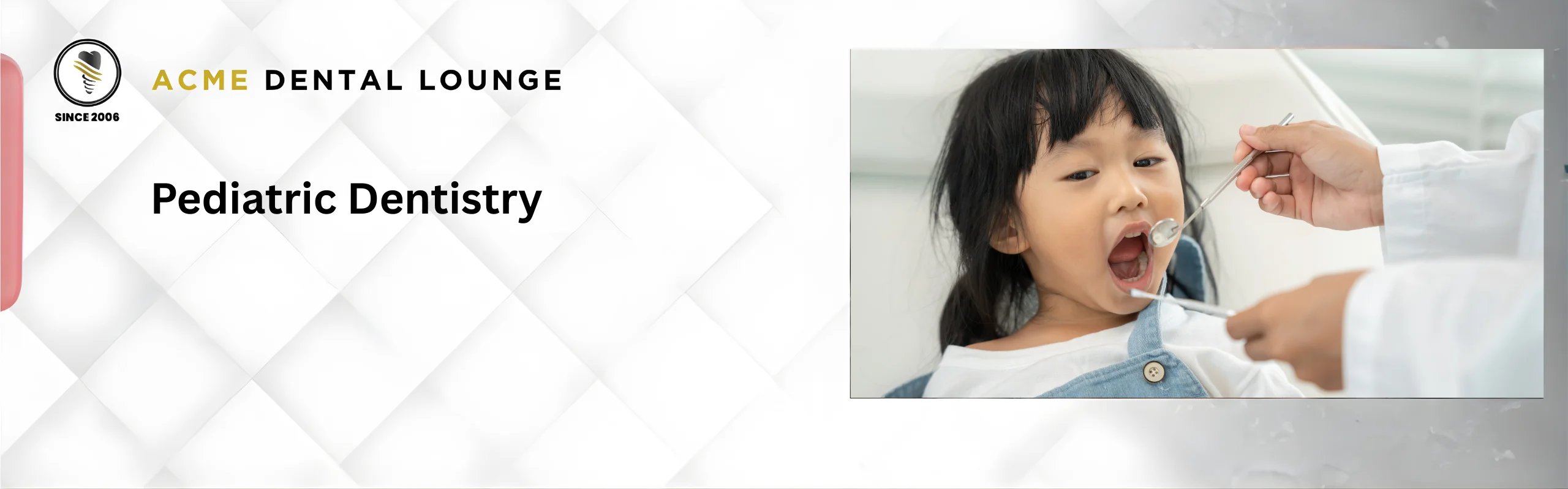
Pediatric Dentistry
Pediatric dentistry is a branch of dentistry that concentrates on the oral health of newborns, children, and adolescents. Unlike general dentistry, it is designed to meet the developmental and behavioral needs of young patients.
Following dentistry school, professionals in this discipline receive additional training to improve their understanding of child psychology, growth patterns, and specialized treatment procedures. The American Academy of Pediatric Dentistry emphasizes preventative care and early intervention as the foundation of lifelong dental health.
Why Early Dental Care Matters
Many parents believe that dental visits may wait until permanent teeth appear. However, primary teeth (baby teeth) are incredibly important since they:
- Help children chew and speak properly
- Hold space for permanent teeth
- Support proper jaw development
- Influence facial structure and confidence
Tooth decay is one of the most prevalent chronic conditions in children. The Centers for Disease Control and Prevention report that cavities are more common in children than asthma. Early check-ups aid in the detection of minor issues before they become more serious.
Top Oral Care Tips for Kids in 2026
- Master Daily Brushing
- Have your child brush twice a day — morning and night — for at least 2 minutes using a soft-bristled toothbrush.
- Use a pea-sized amount of fluoride toothpaste. For children under 3, use just a rice-grain size until a dentist advises otherwise.
- Help young kids brush until about 7–8 years old to ensure they’re doing it thoroughly.
- Don’t Forget to Floss
- Introduce flossing as soon as two teeth touch — usually around ages 2–3.
- Flossing removes plaque and food particles where toothbrushes can’t reach, helping prevent cavities and gum issues.
- Limit Sugary Foods & Drinks
- Sugar fuels the bacteria that cause tooth decay. Cut back on candies, sodas, sweetened juices, and sticky foods.
- When sugary treats happen, have your child rinse with water or drink water after eating to wash away lingering sugars.
- Make Water the Go-To Beverage
- Encourage plain water throughout the day — it helps rinse food debris and maintain healthy saliva flow.
- Avoid letting kids fall asleep with bottles of milk or juice, as nighttime sugars can increase decay risk.
- Use Fluoride Smartly
- Fluoride prevents cavities and strengthens tooth enamel.
- In addition to toothpaste, ask your dentist about fluoride varnish or treatments, which can significantly reduce decay risk.
- Ask About Sealants
Dental sealants are a protective coating applied to the back teeth (molars) to block cavity-causing bacteria. They’re especially helpful once permanent molars start coming in (around ages 6 and 12).
- Keep Regular Dental Visits
Schedule professional check-ups every six months. Early exams can find small problems before they become painful or costly. They also help kids feel comfortable with the dentist.
- Eat Tooth-Friendly Foods
- Focus on foods that support dental health — crunchy fruits and veggies, dairy like cheese and yogurt, and lean protein.
- A well-balanced diet can help minimize plaque buildup and support healthy teeth and gums.
- Protect Active Smiles
If your child plays sports or rough games, consider a mouthguard to protect teeth from injury.
- Make It Fun
- Turn brushing into a game — use timers, songs, or fun toothbrush designs.
- Brush together as a family to model good habits and make oral care a positive routine.
Best Fluoride Practices for Children: What Parents Should Know
Fluoride is one of the most powerful tools in preventing tooth decay — and when used correctly, it is both safe and highly effective. For parents, understanding how much, when, and how to use fluoride can make a significant difference in their child’s oral health.
Here’s what you need to know.
Why Fluoride Matters
Fluoride strengthens tooth enamel, increasing its resistance to acid assaults from bacteria and carbohydrates. It can even reverse early stages of tooth decay before cavities form.
Fluoride Toothpaste: The Right Amount for the Right Age.
One of the most frequent queries parents ask is how much fluoride toothpaste their children should use.
Under age 3
- Use a bit or small amount of fluoridated toothpaste.
- Brush twice everyday.
- Parents should do the brushing.
Ages 3-6
- Use a pea-sized quantity of fluoridated toothpaste.
- Monitor brushing to avoid swallowing.
Age 6 or older
- Continue brushing twice a day with fluoride toothpaste.
- Teach children to spit away their toothpaste after brushing.
- Supervision is important until around age 7-8, when children typically develop better brushing control.
Professional Fluoride Treatments
Dentists often apply fluoride varnish during routine checkups. These treatments:
- Contain a higher concentration of fluoride
- Strengthen enamel quickly
- Help prevent early decay
- Children with a higher risk of cavities may benefit from more regular applications.
The Role of Parents
Parents are partners in maintaining their child’s oral health. Simple habits can make a big difference:
- Brush twice daily with fluoride toothpaste
- Supervise brushing until about age 7–8
- Limit sugary snacks and drinks
- Encourage water over juice or soda
- Schedule regular dental check-ups
Modeling good habits also reinforces their importance.
Common Dental Issues in Kids
Some of the most frequent concerns in pediatric dentistry include:
- Early childhood caries (baby bottle tooth decay)
This type of decay occurs in infants and toddlers, often due to frequent exposure to milk, formula, or juice — especially at bedtime.
Prevention Tips:
- Avoid putting your kid to sleep with a bottle.
- Wipe gums after feedings
- Teeth cleaning/ brushing should start as soon as the tooth eruption starts.
- Transition from bottle to cup around age one
- Early habits make a lifelong difference.
- Thumb-sucking and pacifier habits
While common in infants and toddlers, prolonged thumb-sucking can affect jaw growth and tooth alignment.
Prevention Tips:
- Most children stop naturally by age 3–4
2. Offer gentle reminders instead of punishment
3. Reward progress toward stopping
4. Consult a dentist if the habit continues past age 4
Early intervention prevents alignment issues later. - Misaligned teeth and bite issues
- Crowding, overbites, underbites, and spacing issues can develop as permanent teeth erupt.
- Recommends early orthodontic evaluations, typically by age 7.
Prevention Tips:
- Most children stop naturally by age 3–4
- Offer gentle reminders instead of punishment
- Reward progress toward stopping
- Consult a dentist if the habit continues after the age 4
- Early intervention prevents alignment issues later.
- Dental injuries from sports or falls
Active children are more likely to get chipped, cracked, or knocked out teeth while playing sports.
Prevention Tips:
- Use mouthguards during sport.
- Childproof home environment.
- Teach safe play habits
- A tooth can typically be saved by taking quick action after an accident/ injury.
CONCLUSION
Pediatric dentistry is about more than removing cavities — it’s about instilling healthy habits, preventing disease, and boosting confidence. Parents who prioritize early dental care invest in their children’s long-term health and well-being.
A healthy smile is more than just a cosmetic feature; it serves as the foundation for speaking, eating, learning, and happiness.For more details please feel free to contact Acme dental lounge, Aundh, Pune or Call us on 9923459984