

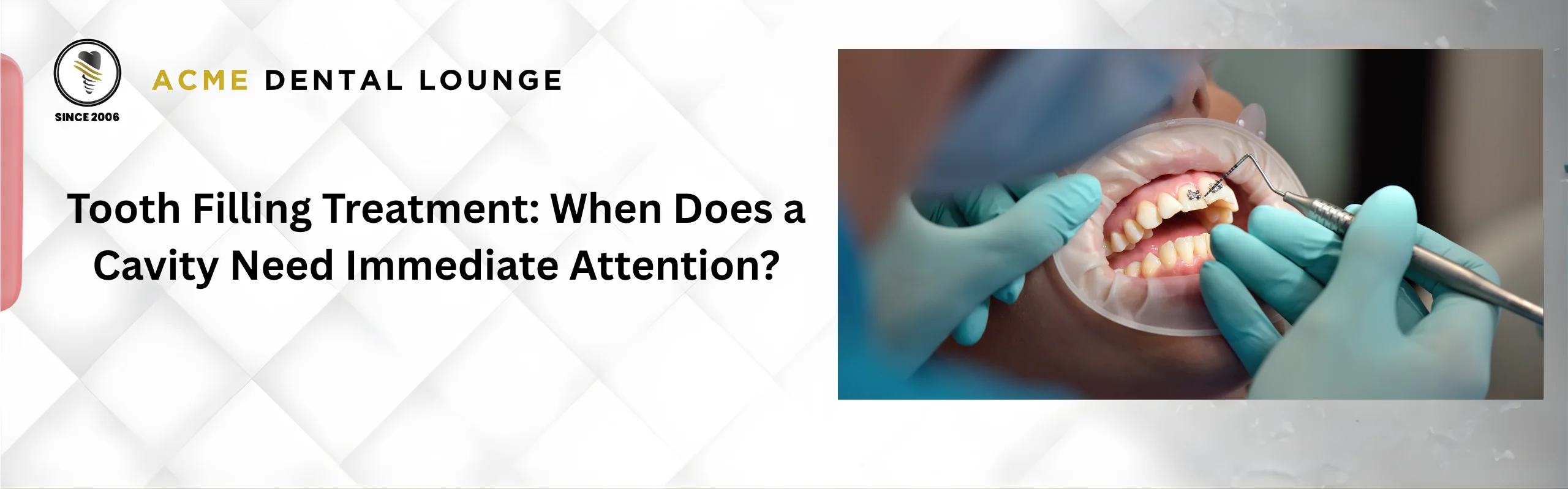
Tooth Filling Treatment: When Does a Cavity Need Immediate Attention?
Tooth cavities are one of the most common dental issues affecting people of all ages. A small cavity may not seem like a big deal at first, but if left untreated, it can lead to serious pain, infection, and expensive dental work down the road. Tooth filling treatment is a simple and effective way to restore a damaged tooth before the decay worsens. But how do you know when a cavity requires immediate attention?
Understanding the warning signs can help you protect your oral health and avoid serious complications.
What is a tooth cavity?
A cavity is a hole or area of decay that develops when plaque bacteria produce acids that weaken the tooth enamel. Poor oral hygiene, sugary foods, acidic drinks, and irregular dental visits can all contribute to cavity formation.
In the early stages, cavities may not cause noticeable symptoms. However, as the decay spreads deeper into the tooth, discomfort and visible damage begin to appear.
Signs a Cavity Needs Immediate Dental Treatment
Not every cavity causes pain right away, but some symptoms should never be ignored. If you experience any of the following signs, it’s important to visit your dentist as soon as possible.
Tooth Sensitivity
Sudden sensitivity while eating hot, cold, or sweet foods may indicate enamel damage caused by decay.
Persistent Toothache
Constant or throbbing tooth pain often means the cavity has progressed deeper into the tooth structure.
Visible Holes or Dark Spots
Brown, black, or white discolouration on the tooth surface can be a visible sign of dental decay.
Pain While Chewing
If biting or chewing causes discomfort, the cavity may have weakened the tooth.
Bad Breath or Unpleasant Taste
Untreated decay can trap bacteria and food particles, leading to bad breath and an unpleasant taste in the mouth.
Swelling or Gum Irritation
Swelling near the affected tooth may indicate infection and require urgent dental care.
Why Immediate Treatment Is Important
Many people delay getting dental care because of sporadic pain. Sadly, cavities don’t go away on their own. Without treatment, the decay continues spreading deeper into the tooth.
Delaying treatment can lead to:
- Severe tooth pain
- Tooth infection or abscess
- Root canal treatment
- Cracked or broken teeth
- Tooth loss
Early tooth-filling treatment is simpler, faster, and more affordable compared to advanced dental procedures.
What Happens During Tooth Filling Treatment?
Modern tooth-filling procedures are comfortable and minimally invasive. Here’s what you can expect during treatment:
Dental Examination
The dentist checks the tooth and may take digital X-rays to assess the extent of decay.
Removal of Decay
The damaged portion of the tooth is carefully cleaned and removed.
Filling Placement
The space is filled with a durable material such as:
- Tooth-colored composite fillings
- Ceramic fillings
- Conclusion –er fillings
- Silver amalgam fillings
Finishing and Polishing
The filling is shaped and polished to restore the tooth’s natural appearance and function.
How to Prevent Cavities
Preventive care is the best defence against tooth decay. Follow these healthy habits to reduce your risk of cavities:
- Brush twice daily with fluoride toothpaste
- Floss every day
- Limit sugary snacks and soft drinks
- Drink plenty of water
- Visit your dentist regularly for checkups and cleanings
Are Tooth Fillings Painful?
Tooth-filling procedures are typically painless because of contemporary dental methods and local anaesthesia. During the procedure, the majority of patients experience little to no discomfort.
Conclusion –
A cavity may begin as a small problem, but delaying treatment can result in serious dental complications. Recognising the warning signs early and seeking prompt tooth-filling treatment can help preserve your natural tooth and maintain a healthy smile.
If you notice tooth sensitivity, pain, or visible decay, schedule a dental checkup immediately at Acme Dental Lounge. Early care can save you time, money, and discomfort in the future.